


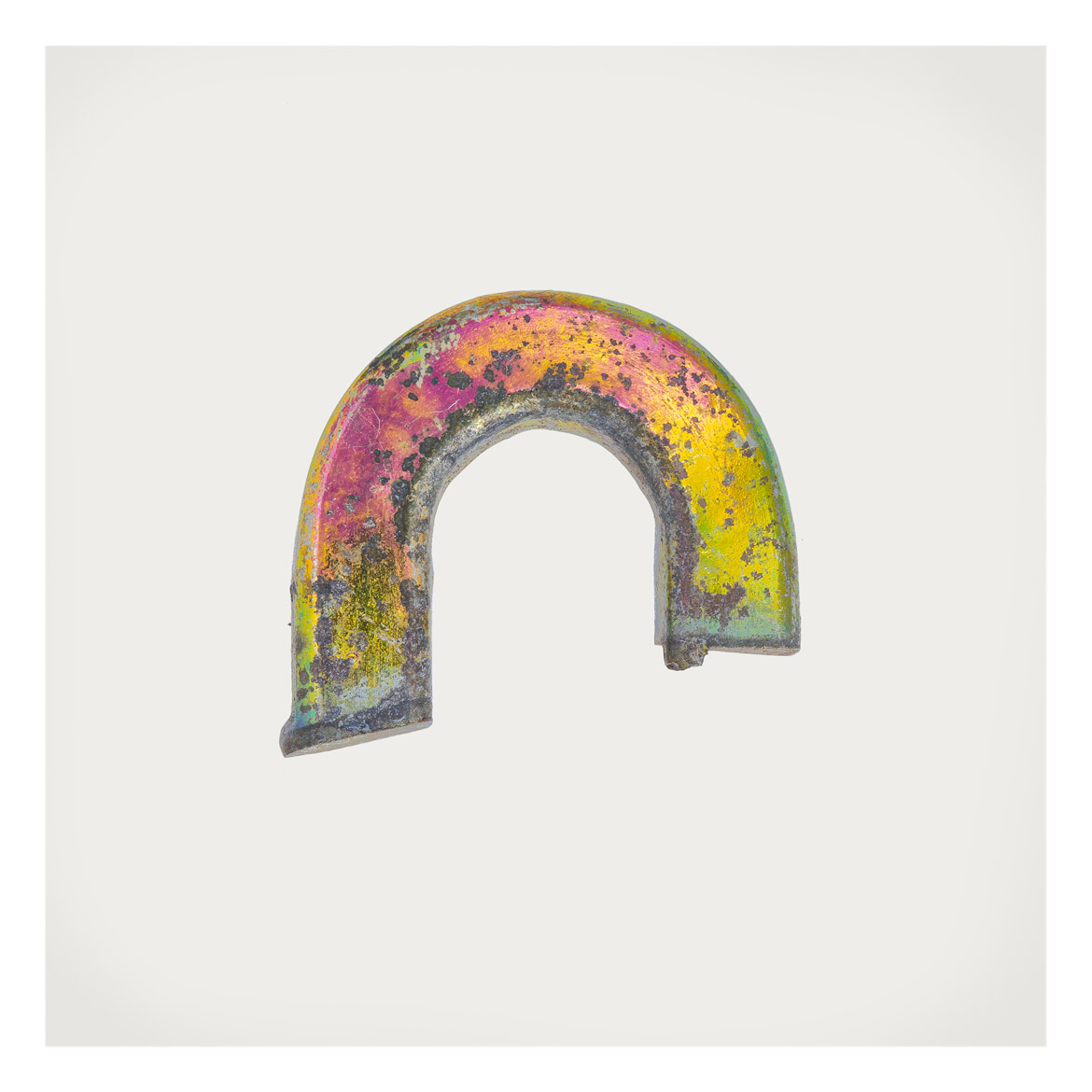


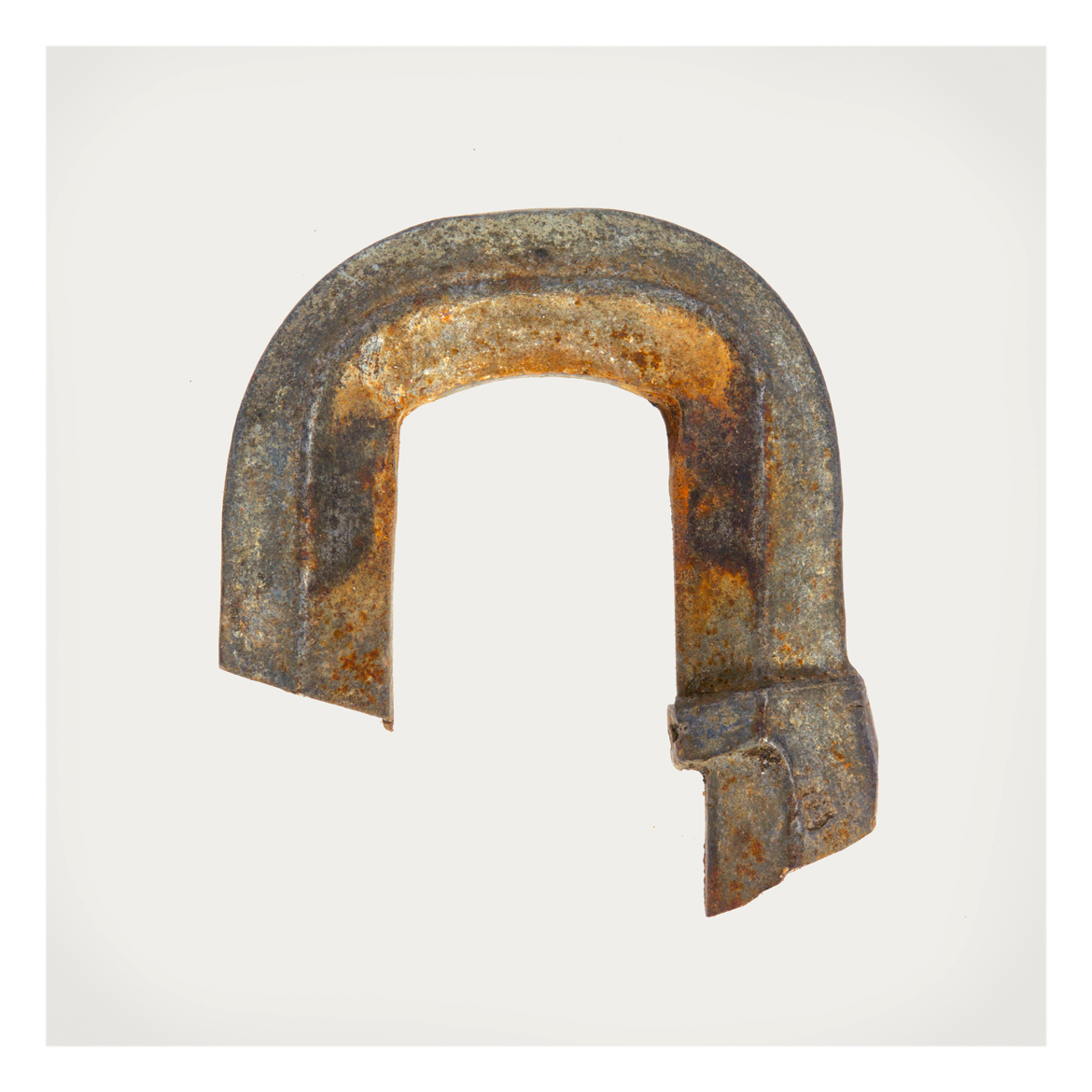


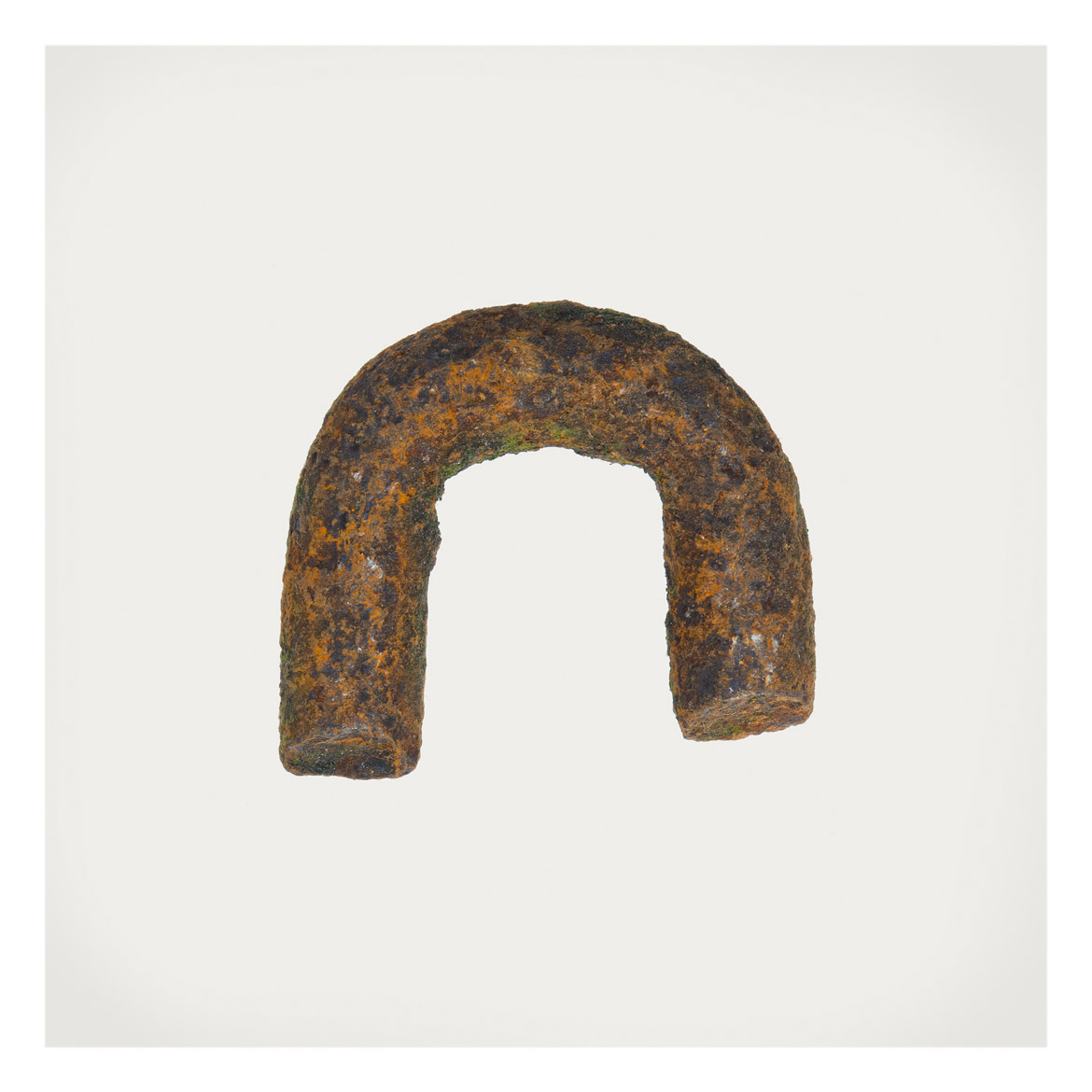
Amsterdam Unlocked marks the first artistic expression of my ongoing fascination with urban dynamics. The series began in 2011, when I stumbled upon a severed chain lock lying on the street. Since then, this accidental discovery has evolved into a collection of over 2,000 sawn-through locks, gathered over many years.
In this body of work, these small, asymmetrical metal fragments are staged as silent witnesses to acts of bike theft and the systematic removal of bicycles deemed improperly parked. Yet, Amsterdam Unlocked is not a story about locks, bicycles, or their absent owners. Instead, it is a visual inquiry into the pressures of urban growth.
The corroded, gleaming surfaces of these objects reflect a city straining at its limits. Though modest in scale, Amsterdam bears the identity of a metropolis. The sheer volume of bicycles within its borders reveals an intensifying struggle for public space — a tangible manifestation of the city’s ongoing negotiation with expansion and density. These objects also reflect the transient relationship its residents have with personal property: with an average of 2.1 bicycles per person and the routine experience of bicycle theft, loss is not only expected, but normalized.
Through 20 large-scale photographs, the materiality of these objects is brought to the forefront. Their enlarged forms emphasize subtle variations in texture, shape, color, and wear — allowing each fragment to be seen as a unique specimen within a broader typology. In doing so, the work invites a deeper appreciation of difference within repetition, suggesting an almost biological taxonomy of urban detritus.